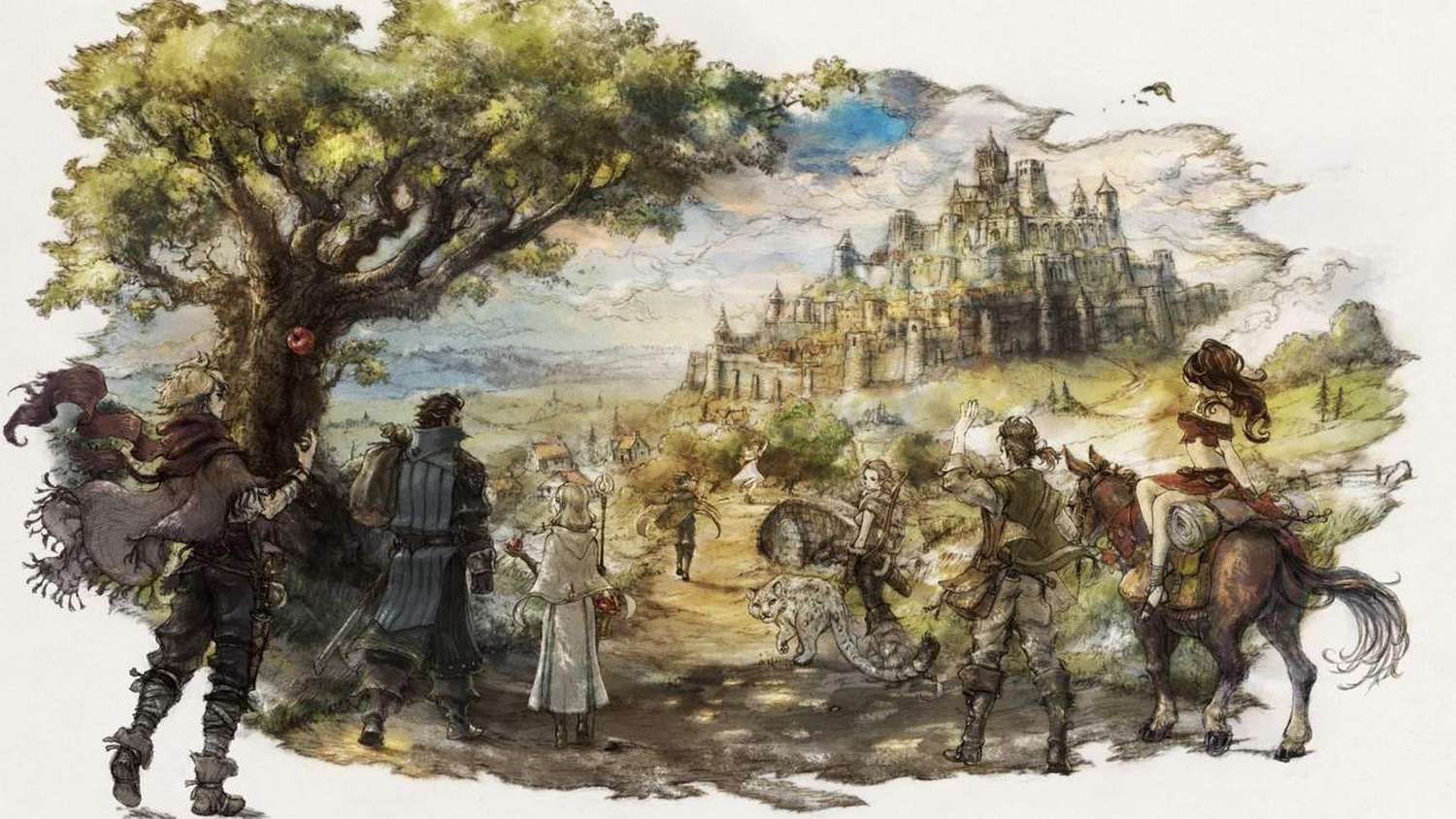
Octopath Traveler 0: The Burden of a Legacy and the Quest for Authenticity in a Beloved JRPG Franchise







Popular Now
 Schedule I
Sonic the Hedgehog™ Classic
Schedule I
Sonic the Hedgehog™ Classic
 Geometry Dash
 The Legend of Zelda
 Counter-Strike 2
 Valorant
 Brawl Stars
 Auto X Drift Racing 3
NBA 2K24
Auto X Drift Racing 3
NBA 2K24
 League of Legends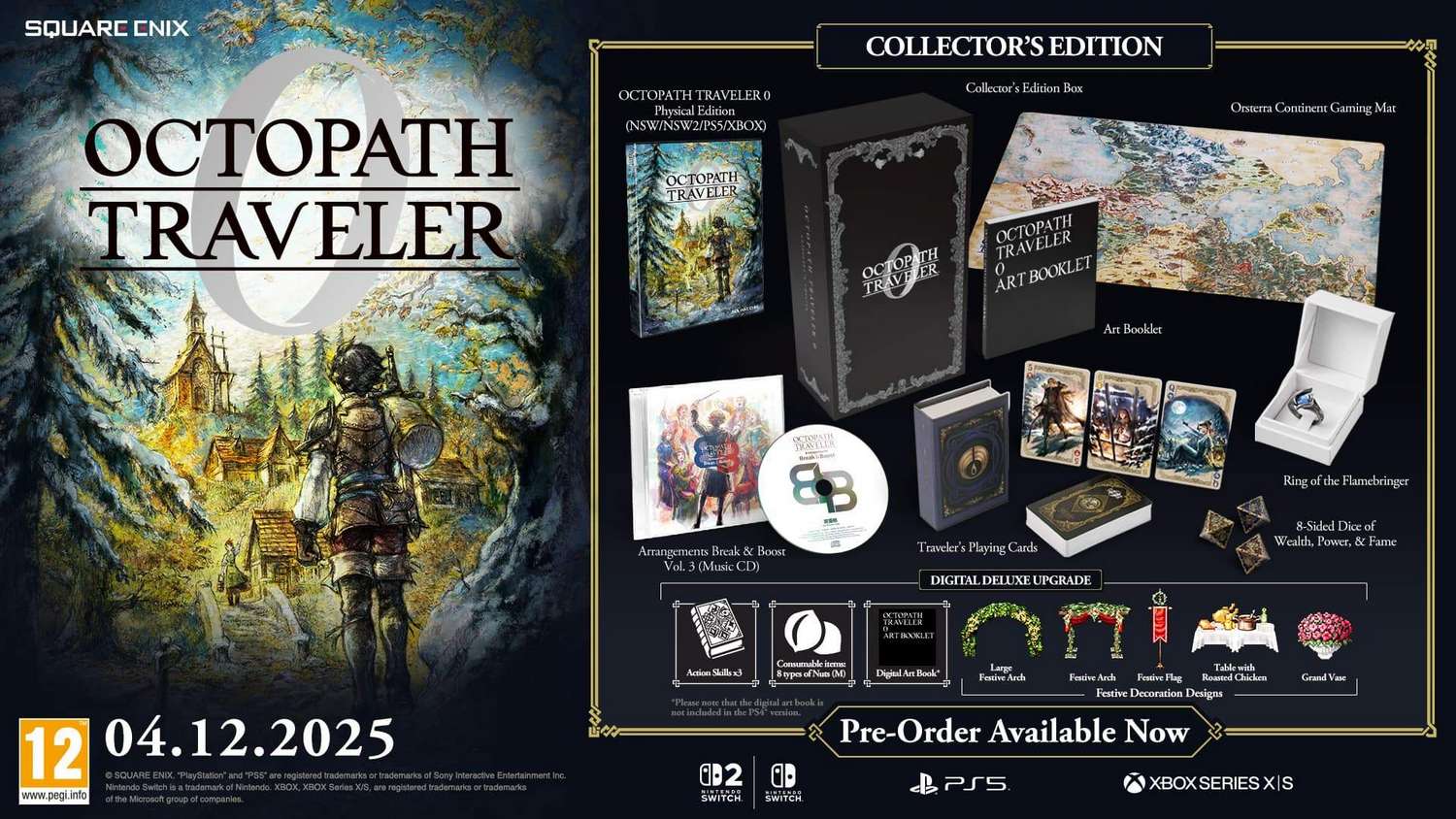
The gaming world holds certain franchises in exceptionally high regard, and Square Enix’s Octopath Traveler series has rapidly ascended to that echelon. Renowned for its distinctive HD-2D visual style, intricate turn-based combat, and sprawling narrative featuring eight intertwined protagonists, it has carved a unique niche in the modern JRPG landscape. With the success of its predecessors, particularly the critically acclaimed Octopath Traveler II, the mere mention of a title like “Octopath Traveler 0” immediately conjures a mixture of fervent anticipation and cautious skepticism. The question isn’t just ‘if’ such a game would arrive, but rather, ‘can it truly prove it deserves the name’?
A title bearing the numerical ‘0’ typically signifies a prequel, an origin story, or a foundational chapter that sets the stage for everything that follows. For a franchise as meticulously crafted as Octopath Traveler, this implies an enormous burden of expectation. It’s not simply about delivering another game; it’s about enriching existing lore, establishing compelling character arcs that resonate with future narratives, and maintaining the pristine quality that fans have come to associate with the series. Any misstep could not only undermine the potential of the new entry but also retroactively diminish the gravitas of the established mainline titles.
The Pillars of the Octopath Traveler Identity
To understand what a hypothetical “Octopath Traveler 0” must achieve, one must first deconstruct the core elements that define the franchise’s enduring appeal. These aren’t merely stylistic choices but fundamental components that contribute to its critical and commercial success:
- HD-2D Visuals: The breathtaking blend of retro pixel art and modern 3D effects is more than just a gimmick; it’s a signature aesthetic that evokes nostalgia while simultaneously pushing visual boundaries. A ‘0’ title must not only retain but potentially enhance this visual storytelling.
- Eight Distinct Narratives: The unique structural choice of eight independent stories that eventually coalesce offers unparalleled narrative depth and replayability. A prequel would need to introduce characters with equally compelling backstories and motivations, or perhaps explore the origins of the world’s established classes and regions.
- Strategic Turn-Based Combat: The ‘Break and Boost’ system provides a refreshing take on classic JRPG combat, demanding tactical foresight and resource management. A prequel would be expected to innovate upon this system without fundamentally altering its satisfying core mechanics.
- Path Actions: Each character’s unique ‘Path Actions’ (e.g., Guide, Scrutinize, Steal, Provoke) offer diverse ways to interact with NPCs and the environment, fostering a rich sense of exploration and immersion. This system would need thoughtful integration in any foundational story.
- Masterful Soundtrack: The series is renowned for its evocative and memorable musical scores, which are integral to setting the emotional tone and enhancing the epic scope of the adventure. The soundtrack for a ‘0’ entry would need to uphold this high artistic standard.
 The Perils and Promises of a Prequel
 The Perils and Promises of a Prequel
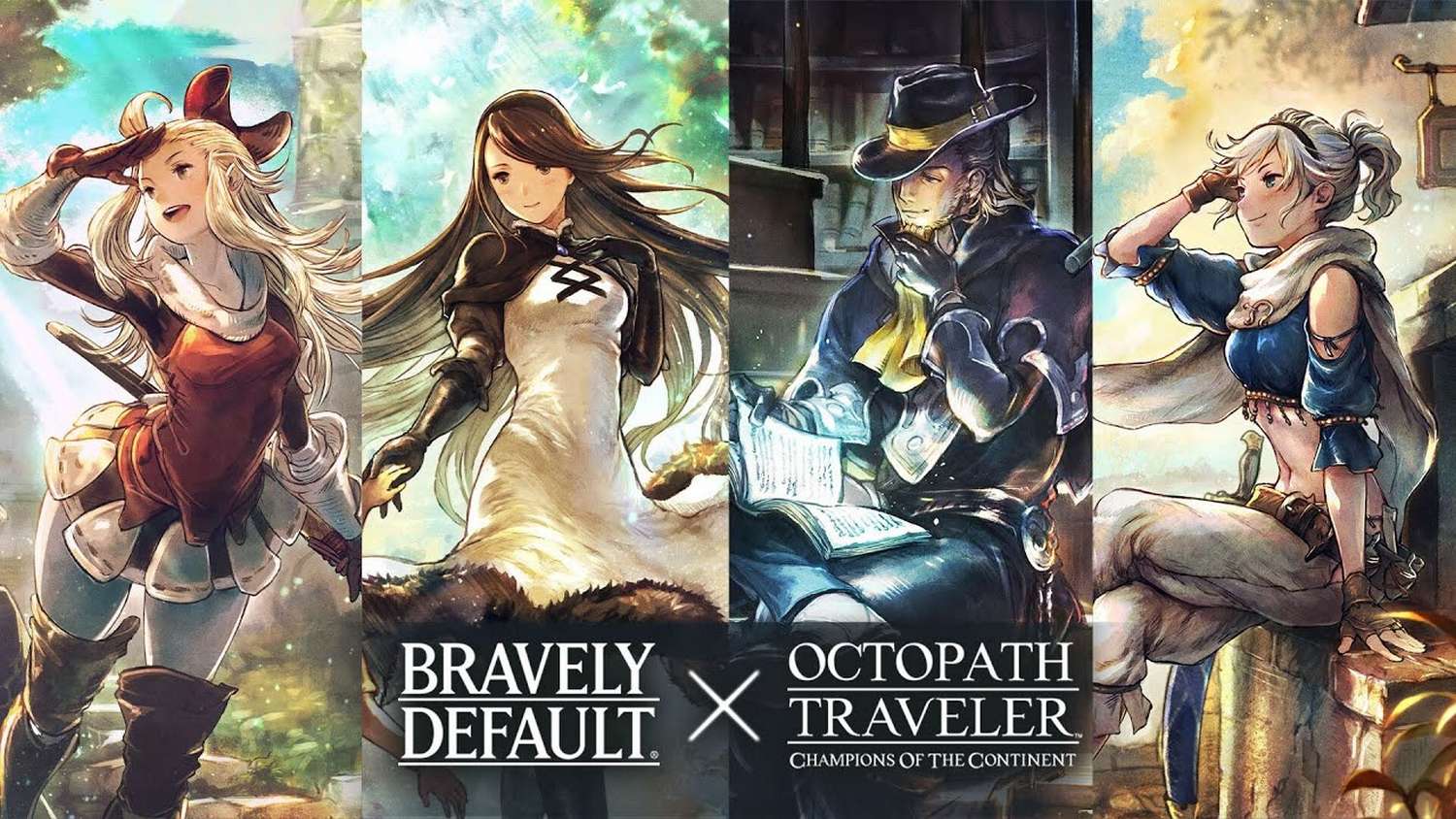
Developing a prequel comes with inherent challenges. While it offers opportunities to expand on existing lore and address long-standing fan questions, it also carries the risk of limiting creative freedom or inadvertently creating plot holes. For “Octopath Traveler 0,” the developers at Square Enix would be navigating a tightrope walk:
- Lore Expansion vs. Retconning: A prequel could delve into the origins of the gods, the creation of specific towns, or the ancestors of beloved characters. However, it must do so without contradicting or diminishing the established history and mysteries players have come to love.
- Balancing Familiarity with Innovation: Players expect the core mechanics to be present, but also demand fresh content and new ideas. Simply rehashing existing systems with a different coat of paint would be a disservice to the franchise’s innovative spirit and could lead to player fatigue, affecting its long-term value proposition.
- Character Connection: If “Octopath Traveler 0” introduces an entirely new cast, they must be compelling enough to stand on their own merits while also hinting at the lineage or thematic elements that connect them to the future ‘travelers’. If it features ancestors of current characters, the challenge lies in making them distinct yet recognizable.
- Avoiding Fan Service Traps: While nods to existing lore are welcome, excessive fan service without substantial new content can feel hollow. The narrative must stand on its own, providing a meaningful gaming experience independent of its connection to later titles.