
My Child: New Beginnings: Mobile Gaming’s Next Profound Narrative Experience









Popular Now
 Rust
Rust
 NBA 2K24
 God of War Ragnarök
 Candy Crush Saga
 Free Fire
 Poppy Playtime
Geometry Dash
Poppy Playtime
Geometry Dash
 Free Fire Max
 Fall Guys
 Fortnite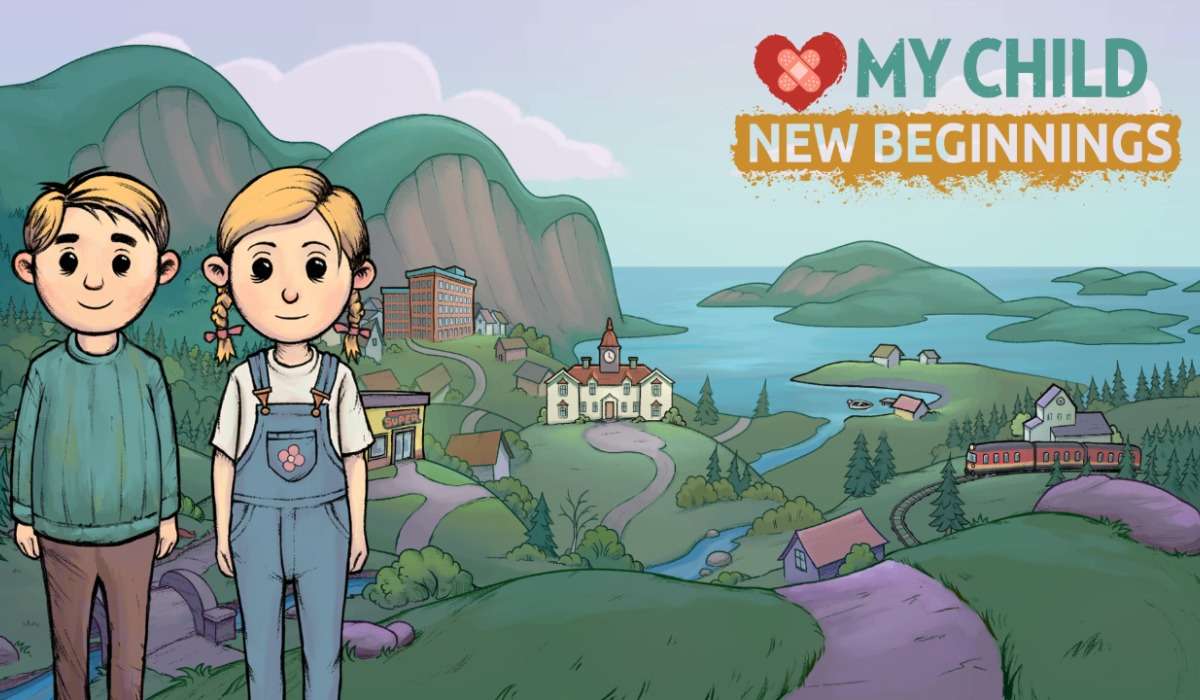
The highly anticipated sequel to the critically acclaimed $My$ $Child$ $Lebensborn$, My Child: New Beginnings, is now available globally on $iOS$ and $Android$ devices, marking a major event in the landscape of narrative-driven mobile gaming. Developed by Sarepta Studio (the team behind the BAFTA Games Beyond Entertainment award winner), this new title shifts focus from the post-WWII historical trauma of the original to the complex, ongoing process of healing after tragedy in a contemporary setting. This release is critical for the mobile gaming market, which is increasingly seeking high-quality, story-rich experiences that tackle challenging themes of mental health, trauma, and ethical parenting with sensitivity and depth.
The game’s launch on November 20, 2025, for all mobile platforms positions it as a significant release for the year, catering to a global audience hungry for titles that merge life simulation with interactive fiction. The success of the original has already ensured a high level of interest and generated significant engagement with high CPC keywords related to emotional storytelling and simulation games.
The Continuation of a Difficult Journey: Plot and Themes
Following the emotional events of the first game, My Child: New Beginnings places the player in the role of the adoptive parent to either Karin or Klaus, who are now navigating the world as pre-teens. The family has moved to a new region in Norway to rebuild their lives, but the past’s impact—specifically lasting childhood trauma—remains a central challenge.
- Focus on Healing and Growth: The game shifts the narrative emphasis from historical persecution to the psychological journey of recovery. Players must help their child cope with new anxieties, social challenges like bullying and forming new friendships, and triggers that remind them of their painful past.
- Ethical Parenting Challenges: The core gameplay revolves around daily interactions and ethical decision-making. Players must balance their limited time and resources (working, cooking, managing money) with the child’s emotional needs. Every choice—from the words spoken in response to a panic attack to the choice between a new toy or necessary food—directly impacts the child’s emotions, behavior, and overall well-being and view of the world.
- Trauma-Informed Design: Sarepta Studio collaborated with trauma psychologists to ensure the child’s reactions and the depiction of mental health issues like anxiety are handled realistically and sensitively. The game aims to be an insightful look into how trauma is an integrated process of awareness and management, not a simple obstacle to overcome.
 Gameplay Evolution: Deepened Simulation and Interaction
 Gameplay Evolution: Deepened Simulation and Interaction
While the game retains the time-management and life simulation aspects of its predecessor (balancing work, household tasks, and spending time with the child), the mobile sequel introduces several key upgrades to enhance the player experience and narrative depth.
- Evolving Nurture System: The interaction system is more advanced, with the child’s emotional and psychological state visibly affecting their body language and dialogue, providing the player with constant feedback on their parenting effectiveness. The choices made shape the child’s future, creating high stakes for every decision.
- Expanding Environment: The world around the child grows as the story progresses. As the child starts to heal and build new connections, areas of the new town will expand and unlock, introducing new supporting characters, activities, and emotional moments that further the narrative and provide new opportunities for the child to grow.
- Visual and Narrative Quality: The graphics have been significantly improved, making the Norwegian setting more beautiful and the in-game interactions more visually expressive. The narrative is delivered through a blend of interactive fiction, dialogue choices, and mini-games that simulate daily tasks, keeping the player deeply engaged in the parental role.
Mobile Reception and Early Challenges
The initial mobile release on $iOS$ and $Android$ has been met with significant enthusiasm, though early players have reported some technical challenges, common with major launch titles:
- Bugs and Glitches: Early community discussions point to several bugs, including issues with saved game data, freezing, minor graphic glitches (like clothing disappearing), and characters getting stuck in dialogue loops. Developers have been quick to release patches, addressing issues like dialogue freezing and account linking.
- Monetization Concerns: While the original game was a premium title, the mobile version of New Beginnings is noted as having a free-to-play base game with options for rewarded ads. This inclusion has caused minor disappointment among fans of the premium model, though it does make the game accessible to a wider audience.
- Core Experience Unchanged: Despite the early bugs, the core emotional experience, narrative depth, and challenging decision-making have been overwhelmingly praised, positioning the game as a powerful and essential entry in the genre of simulation games focused on mental health.
Conclusion: A Profound and Necessary Mobile Gaming Experience
 Conclusion: A Profound and Necessary Mobile Gaming Experience
My Child: New Beginnings is more than just a game; it is an important piece of interactive media that uses the powerful, intimate simulation format to explore complex themes of trauma, anxiety, and the resilience required to build a new life. Its commitment to a deep, choice-driven narrative and collaboration with psychological experts makes it a standout title. For fans of the original and anyone seeking a genuinely profound and emotionally challenging mobile experience, this sequel is a must-play, solidifying its place as a groundbreaking piece of indie gaming that continues the legacy of using games for empathetic storytelling.