
Heroes of Might and Magic: The Enduring Legacy and Resurgence of Turn-Based Fantasy Strategy Gaming










Popular Now
 God of War Ragnarök
 The Legend of Zelda
 EA SPORT FC 25
 League of Legends
 BeamNG.drive
 Auto X Drift Racing 3
 R.E.P.O
 Geometry Dash
 Sonic the Hedgehog™ Classic
 Stumble Guys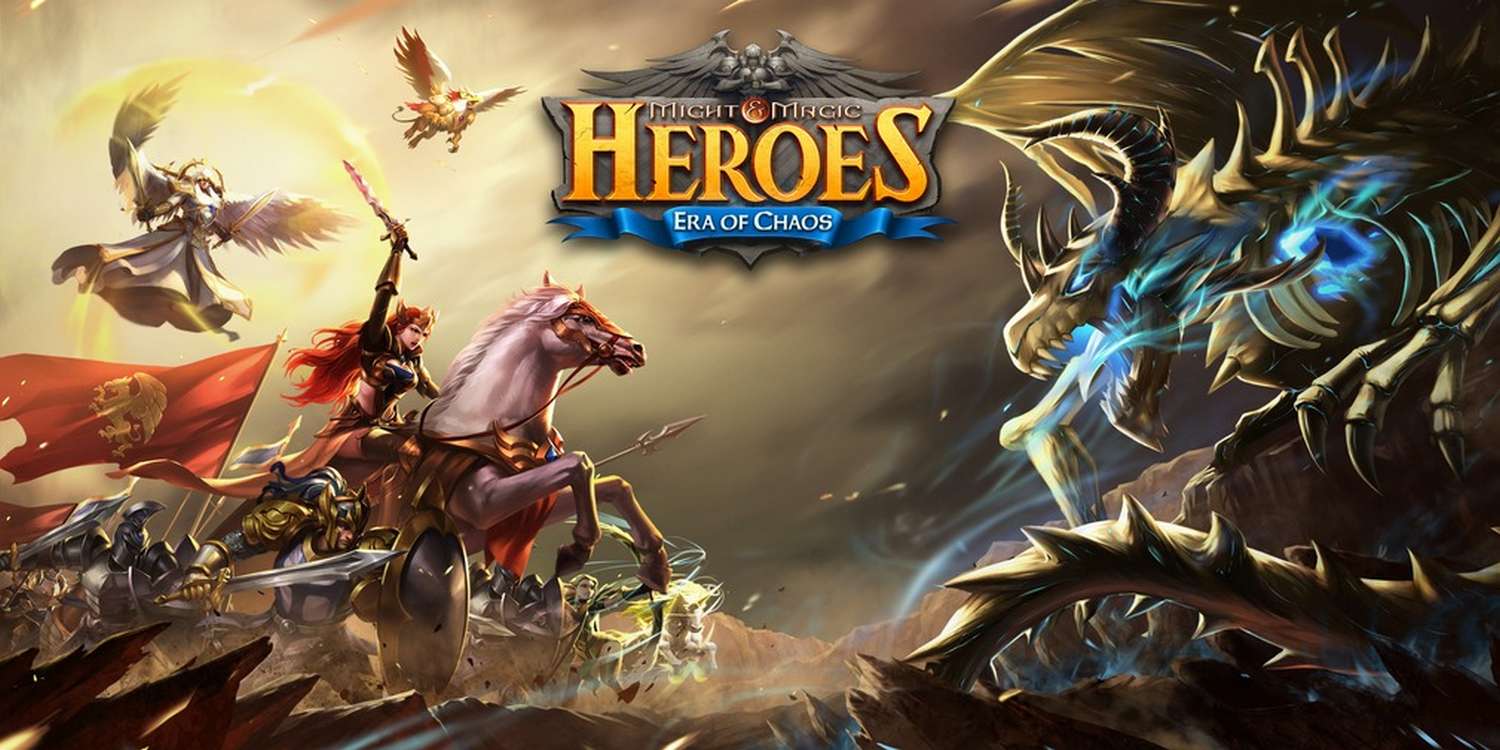
 Heroes of Might and Magic: The Enduring Legacy and Resurgence of Turn-Based Fantasy Strategy Gaming
The hallowed halls of PC gaming history are littered with franchises that burned brightly before fading into memory. Yet, some sagas possess an uncommon resilience, a captivating charm that defies the relentless march of technological advancement and evolving player preferences. Among these titans stands Heroes of Might and Magic, a series that, despite a fractured modern history, continues to command a passionate following. Far from being a relic, the essence of HoMM—its unique blend of pipe-and-slippers fantasy adventure and deeply strategic gameplay—is experiencing a remarkable resurgence, not necessarily through official sequels, but through a vibrant community and a new wave of spiritual successors that honour its iconic blueprint.
For many veteran gamers, the mention of Heroes of Might and Magic immediately conjures images of epic campaigns, intricate resource management, and tense tactical battles on grid-based arenas. The series, particularly its third iteration, Heroes of Might and Magic III: The Restoration of Erathia, is widely considered a gold standard in the turn-based strategy genre. It masterfully combined grand strategy elements—exploring vast fantasy maps, conquering mines, building up bustling towns, and recruiting diverse armies—with the personal hero development typically found in role-playing games. This potent cocktail offered an unparalleled sense of adventure and strategic depth, fostering countless hours of dedicated gameplay and a thriving competitive scene that endures to this day.
The Golden Age and its Enduring Appeal
What exactly made the golden age of HoMM so compelling, and why does its formula continue to resonate with both seasoned enthusiasts and a new generation of strategy aficionados? The answer lies in several core design principles:
- Strategic Depth and Accessibility: HoMM games, especially HoMM III, offered a deceptively simple core loop. Explore, conquer, build, fight. Yet, underneath this lies layers of complex decision-making, from hero skill pathing and artifact management to army composition and battlefield tactics. This balance allowed new players to quickly grasp the fundamentals while providing endless mastery for veterans.
- Rich Fantasy Lore: The games were steeped in a charming, often whimsical, high-fantasy setting. Iconic creatures like mighty dragons, steadfast knights, mischievous imps, and powerful archangels populated a world ripe for exploration and conquest. Each faction felt distinct, with unique units, spells, and architectural styles, contributing to a strong sense of immersion.
- Meaningful Hero Progression: Heroes weren’t just avatars; they were crucial strategic assets. Levelling up, acquiring powerful artifacts, learning potent spells, and developing specific skills directly impacted army performance and strategic options, making every choice regarding a hero’s development impactful.
- Unparalleled Replayability: With a vast array of maps, random map generators, multiple factions, and diverse victory conditions, HoMM offered an astronomical amount of replay value. No two games felt exactly alike, ensuring that the strategic challenge remained fresh for years.
The ‘pipe-and-slippers glory’ often refers to this particular blend of comfort and challenge. It’s the feeling of settling in for a long evening, meticulously planning your next move, slowly expanding your empire, and engaging in satisfying tactical combat without the frantic pace of real-time strategy games. It’s a genre that rewards careful thought, patience, and strategic foresight, making every victory feel earned and every defeat a valuable lesson.
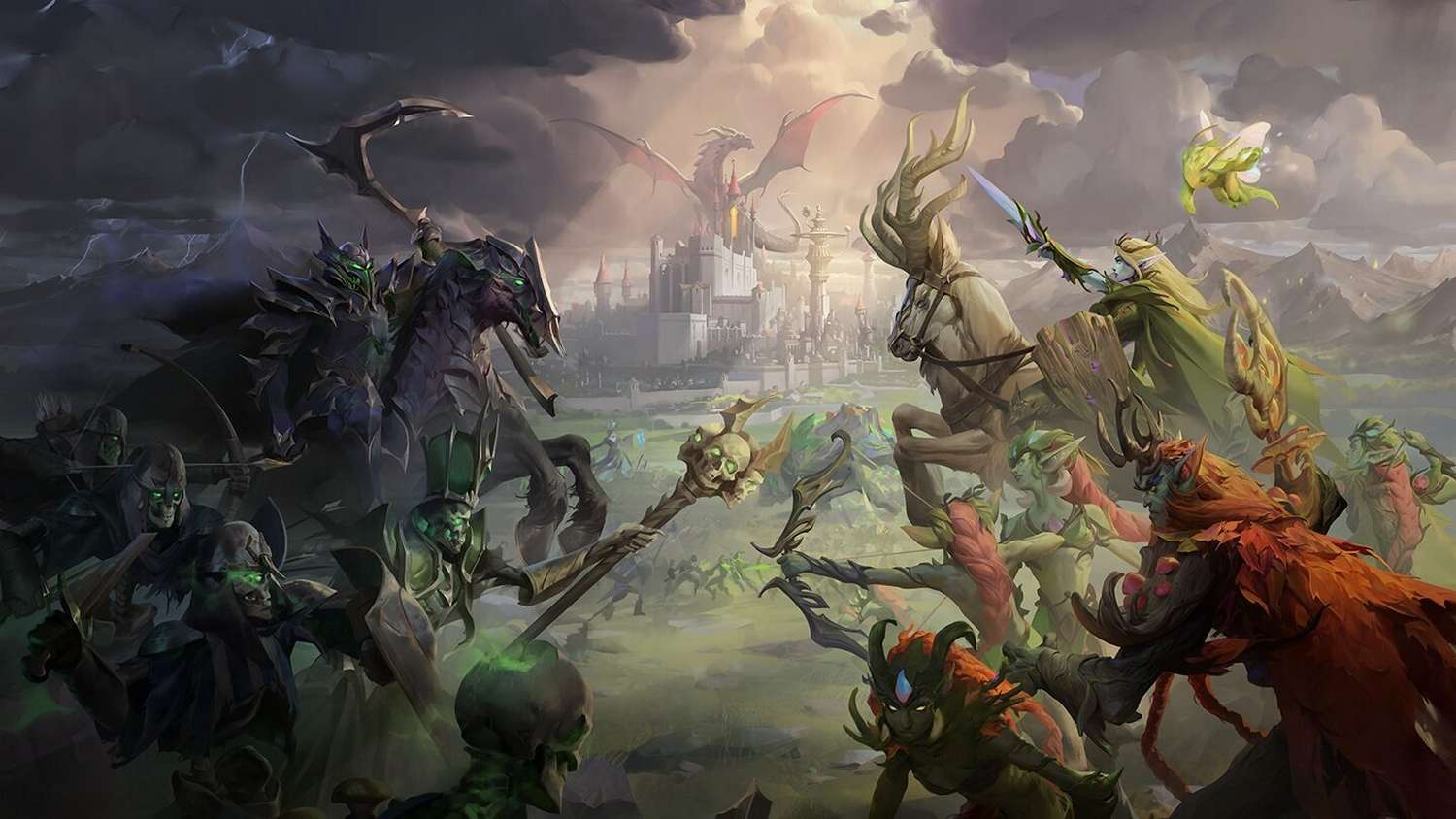
Modern Interpretations and Spiritual Successors
While official Heroes of Might and Magic titles post-HoMM III have often struggled to recapture the original magic—with some entries facing criticism for diverging too far from the established formula or suffering from technical issues—the spirit of the series is far from dormant. Instead, it has diffused into a new wave of games that overtly or subtly pay homage to its design philosophy.
One of the most prominent examples of a modern game carrying the HoMM torch is Songs of Conquest. This indie darling has garnered significant praise for its deliberate embrace of classic HoMM mechanics while introducing its own unique pixel-art aesthetic and engaging narrative. It features robust map exploration, town building, hero progression, and grid-based combat, all meticulously crafted to evoke the feeling of its predecessors. Its success is a testament to the enduring demand for this specific brand of turn-based fantasy strategy.
Other titles, while not direct spiritual successors, share common DNA. The Age of Wonders series, particularly its latest iteration, *Age of Wonders 4*, combines 4X empire management with tactical fantasy combat in a way that often appeals to HoMM fans. Even games like Disciples: Liberation, while offering a darker, more mature tone, share structural similarities in hero progression and army management within a fantasy realm. These titles demonstrate that the core tenets of HoMM—meaningful strategic choices, engaging exploration, and satisfying tactical combat within a rich fantasy setting—remain highly influential and desired by the gaming community.
The Future of Fantasy Strategy and HoMM’s Legacy
The continued relevance of Heroes of Might and Magic, despite its official series’ fluctuations, highlights a critical aspect of the strategy gaming market: there’s an evergreen demand for thoughtfully designed, turn-based experiences that reward intelligence and patience over twitch reflexes. The ‘news’ isn’t just a new game announcement, but the ongoing vitality of an entire genre shaped by HoMM.
The growth of indie development has also played a crucial role in this resurgence. Smaller studios, unburdened by the expectations of triple-A production cycles or strict corporate mandates, have been able to meticulously craft games that focus squarely on solid gameplay mechanics and a clear vision, often directly inspired by the classics they grew up playing. This has allowed for a revival of beloved formulas, often with modern quality-of-life improvements and fresh artistic directions.
The community surrounding classic HoMM titles remains incredibly active, with fan-made expansions, mods, and balance patches (such as Horn of the Abyss for HoMM III) continually extending the life and strategic depth of these games. This demonstrates a rare dedication and love for a series that transcends mere nostalgia, pointing to truly timeless game design.
Conclusion: A Timeless Formula Reborn
In conclusion, while an official, universally acclaimed new installment in the Heroes of Might and Magic series might remain a wistful dream for some, the spirit of its ‘pipe-and-slippers glory’ is unmistakably back. It lives on in the dedicated community that cherishes the classics, and more importantly, in the thriving ecosystem of spiritual successors and genre-adjacent titles that continue to innovate upon and celebrate its foundational principles. The enduring appeal of empire building, hero development, and deep tactical combat within a vibrant fantasy world ensures that the legacy of Heroes of Might and Magic is not merely preserved, but actively flourishing, proving that some classic formulas are indeed timeless, offering endless hours of engaging and rewarding gameplay for discerning strategy enthusiasts.