
Crusader Kings 3: Unlocking Dynastic Power – The Definitive Guide to Best Cultural Traditions










Popular Now
 CarX Street
 Sonic the Hedgehog™ Classic
 Call of Duty
 Gacha Club
 Schedule I
Candy Crush Saga
Schedule I
Candy Crush Saga
 Geometry Dash
 Black Myth: Wukong
 NBA 2K24
 Brawl Stars
In the intricate tapestry of Crusader Kings 3, where dynastic ambition and medieval politics intertwine, understanding and leveraging cultural traditions is paramount to achieving long-term dominance. Paradox Interactive’s critically acclaimed grand strategy RPG offers a rich, dynamic system of cultures, each with unique traditions that can dramatically shape your gameplay experience, influence your character’s development, and dictate the trajectory of your empire. This comprehensive guide delves into the most impactful cultural traditions, offering strategic insights to help players optimize their gameplay and secure their dynasty’s legacy amidst the ever-shifting landscape of medieval Europe and beyond.
The cultural system in Crusader Kings 3 is far more than mere flavor; it is a fundamental pillar of character and realm management. Every culture possesses a set of traditions that grant specific bonuses, unlock unique decisions, and influence the development of innovations. As patches and updates continue to refine the game, the meta surrounding these traditions evolves, making it crucial for players to stay informed about which choices offer the greatest strategic advantage. Whether your ambition is to forge a sprawling martial empire, foster economic prosperity, or cultivate a learned court, selecting the right cultural traditions is the bedrock of a successful Crusader Kings 3 campaign.
The Crucial Role of Cultural Traditions in CK3 Strategy
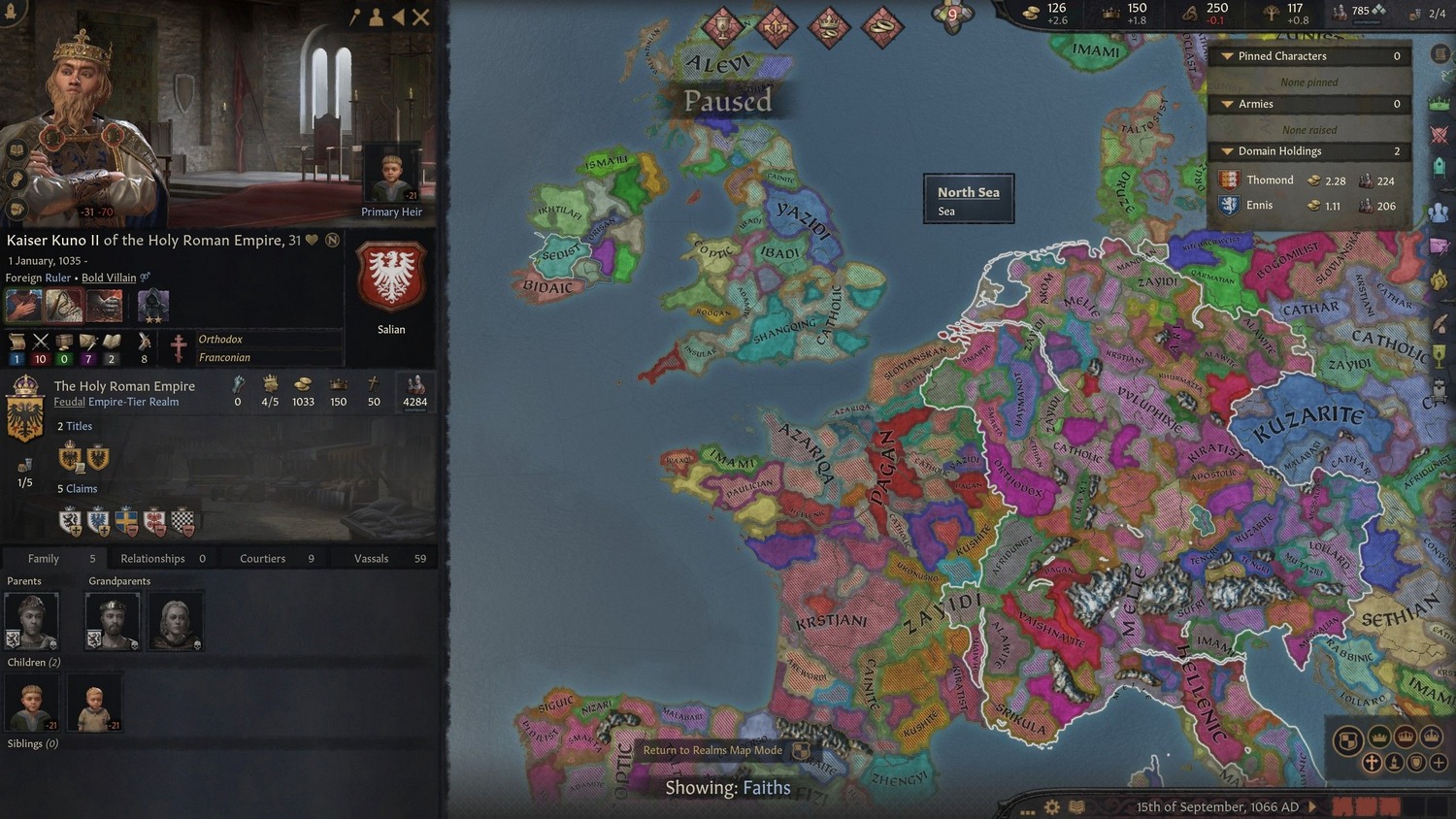
Cultural traditions are not static; they can be adopted, removed, or even hybridized through cultural divergence and cultural fusion mechanics introduced in recent updates. This dynamic element allows for unparalleled customization and strategic depth. A well-chosen tradition can provide a significant edge, reducing rebellion risk, boosting income, enhancing military strength, or accelerating technological progress. Conversely, a suboptimal choice can hinder development, exacerbate internal strife, or limit expansion potential.
Understanding the synergies between various traditions and how they interact with your ruler’s lifestyle, religious doctrines, and geographical location is key. For instance, a tradition that boosts development might be less impactful in a barren region but transformative in a fertile heartland. Similarly, martial traditions are invaluable for aggressive expansionists, while learning-focused traditions benefit those seeking to innovate and develop peacefully. Mastering this intricate system is essential for any player aiming to conquer Crusader Kings 3.
Key Considerations for Cultural Tradition Selection
Before diving into specific recommendations, it’s vital to consider your strategic goals:
- Starting Location and Ruler’s Ambition: Are you playing as a tribal warlord, a feudal lord, or an Iberian ruler? Your starting context often dictates immediate needs.
- Long-Term Goals: Do you aim for a world conquest, a tall economic powerhouse, or a renowned scholarly dynasty?
- Religious Doctrines: Certain traditions synergize exceptionally well with specific religious tenets, such as those promoting holy wars or communal land ownership.
- Development vs. Expansion: Some traditions excel at internal growth, while others are geared towards external conquest.
Careful planning in these areas will guide your tradition choices, allowing for a more focused and effective strategy in your quest for dynastic glory.
Top Cultural Traditions for Dominance and Development in Crusader Kings 3
For Martial Prowess and Conquest:
- By the Sword: Arguably one of the most powerful traditions for any expansionist ruler. By the Sword provides significant bonuses to Men-at-Arms regiments, making your armies deadlier and more efficient. It also unlocks unique casus belli, enabling more frequent and less costly wars. This tradition is a cornerstone for players focused on rapid territorial expansion and maintaining a strong military presence. The increased damage and toughness for Men-at-Arms can turn the tide of crucial battles, making it a high-value pick for those looking to dominate through military might.
- Warrior Priests: This tradition is particularly potent for religious zealots or rulers whose faith allows for aggressive holy wars. Warrior Priests grants bonuses to Piety gain, allows religious leaders to raise holy orders, and often provides combat advantages against infidels. For faiths with the ‘Warmonger’ tenet, this tradition amplifies their strengths, allowing for sustained holy wars and conversions, which are excellent for both realm expansion and cultural homogenization.
- Staunch Traditionalists: While not directly martial, this tradition indirectly supports military stability. Staunch Traditionalists reduces the popularity opinion penalty from succession crises and provides a bonus to control growth. In the often-turbulent aftermath of a ruler’s death, maintaining control and preventing factions from rising is crucial for consolidating gains and continuing military campaigns. It allows for a more stable base from which to launch further conquests.
For Economic Prosperity and Innovation:
- Industrious: A prime choice for those focusing on internal development and economic growth. Industrious significantly boosts development growth in your capital county and provides an increase to your domain limit. Higher development leads to more taxes and levies, and an increased domain limit means you can directly control more high-value counties, maximizing your personal income and military strength. This tradition is critical for ‘tall’ gameplay, aiming to make your core territories incredibly powerful.
- Communal Ownership: This tradition offers a unique economic advantage by increasing taxes and levies from peasant holdings. While it might seem small, the cumulative effect across a large realm can be substantial. Communal Ownership also provides popular opinion bonuses with peasants, reducing the likelihood of peasant revolts, which can be disruptive to economic progress and stability. It’s a fantastic tradition for stable, prosperous realms.
- Gardeners: While seemingly minor, Gardeners provides a significant health boost and stress reduction for characters, along with a modest development growth bonus in capital counties. Health is crucial for character longevity, allowing rulers to accumulate more lifestyle perks and oversee longer periods of development. Reduced stress means fewer mental breaks and better character management, indirectly contributing to consistent economic and cultural growth.
For Knowledge and Cultural Advancement:

- Scholarly: An excellent choice for rulers focusing on the Learning lifestyle. Scholarly boosts Learning lifestyle experience gain, scheme power, and cultural fascination progress. Faster cultural fascination means quicker access to new innovations, which in turn unlock better buildings, governmental forms, and military advancements. This tradition is a cornerstone for technologically advanced empires and erudite dynasties.
- Philosophers: Similar to Scholarly, Philosophers enhances lifestyle experience gain (especially for Learning and Stewardship) and provides bonuses to cultural fascination progress. It also often comes with opinion bonuses for other learned characters, fostering a more intellectual court. This tradition is about building a well-rounded and progressive culture that values knowledge and wise governance.
- Parochialism: While less obvious, Parochialism can be strategically powerful for focused development. It slows down the cultural acceptance spread with neighboring cultures, effectively isolating your culture and allowing you to develop specific innovations without external influence or the need for high cultural acceptance. This can be particularly useful for small, highly specialized cultures looking to max out specific innovation branches before engaging with the broader world.
For Social Cohesion and Stability:
- Ritualized Friendship: This tradition provides significant opinion bonuses with vassals and neighbors through unique ‘friendship’ schemes. Stronger positive opinions across your realm dramatically reduce faction power and rebellion risk, ensuring internal stability. Ritualized Friendship is invaluable for large empires prone to internal strife, allowing rulers to focus on external challenges rather than constantly quashing rebellions.
- Egalitarianism: Promoting equality within your realm, Egalitarianism often grants popular opinion bonuses, particularly with lower strata characters, and can increase your vassal limit. A higher vassal limit means less direct management burden and fewer penalties for exceeding the limit. This tradition fosters a more harmonious society, reducing internal threats and promoting general contentment, a solid foundation for any growing realm.
- Courtly: For those aiming to build a high-renown dynasty and maintain a sophisticated court, Courtly is excellent. It boosts attraction opinion, court grandeur, and renown gain. High renown means more powerful legacies, better opinion from characters of lower rank, and a stronger global presence for your dynasty. While not directly economic or martial, a well-respected and glamorous court can be a powerful diplomatic tool and attract highly skilled individuals.
- Pacifism: While many players gravitate towards conquest, Pacifism offers a viable alternative strategy. It reduces the likelihood of wars, provides stress reduction, and often comes with development growth bonuses. For players who prefer ‘tall’ gameplay, focusing on internal development, character building, and peaceful expansion through diplomacy, this tradition can be incredibly effective at creating a stable, prosperous, and highly developed realm without constant conflict.
Hybridization and Customization Strategies
The Crusader Kings 3 system truly shines with the ability to diverge and hybridize cultures. Players are not locked into their starting traditions. By strategically forming a new culture, you can pick and choose traditions from two parent cultures, creating a uniquely powerful blend tailored to your specific goals. For example, combining the By the Sword tradition from a Norse culture with the Industrious tradition from an Anglo-Saxon culture can create an incredibly formidable hybrid culture capable of both rapid conquest and significant internal development.
Always be mindful of recent game updates. Paradox Interactive frequently balances and introduces new mechanics that can shift the power dynamics of various traditions. Staying abreast of patch notes and community discussions will help you adapt your strategy and ensure your chosen traditions remain optimal. The beauty of Crusader Kings 3 lies in its dynamic nature, rewarding adaptability and careful planning.
Advanced Tips for Cultural Management
- Dynamic Adaptation: Don’t be afraid to change your culture’s traditions through divergence if your long-term goals shift. As your empire grows, what was once optimal for a small duchy might become a hindrance for a sprawling empire.
- Synergistic Pillars: Consider how your cultural traditions align with your cultural pillars (e.g., Ethos, Language, Aesthetics). For example, a Bellicose ethos paired with martial traditions creates an exceptionally powerful military culture.
- Leverage Innovation: Cultural traditions often unlock specific innovations faster. Prioritize developing innovations that complement your chosen traditions to maximize their impact.
- Character Focus: Align your ruler’s lifestyle focus with your cultural traditions. A Scholarly tradition combined with a Learning lifestyle ruler will accelerate innovation immensely.
Conclusion: Forge Your Legacy with Strategic Cultural Choices
Crusader Kings 3 offers an unparalleled depth of strategic choice, and the cultural traditions system is a prime example of its intricate design. By carefully selecting and, where appropriate, customizing your cultural traditions, you can lay the groundwork for an unstoppable dynasty. Whether your ambition is to conquer vast lands, build an economic juggernaut, or establish a beacon of knowledge and culture, the right traditions will empower your rulers and cement your legacy in the annals of medieval history. Experiment, adapt, and most importantly, enjoy the rich, evolving narrative that Crusader Kings 3 continually provides. The path to ultimate power often begins with a single, well-chosen cultural tradition.