
Battlefield’s Game-Changing Gambit: The Free-to-Play Battle Royale Mode Unveiled









Popular Now
NBA 2K24
 Fall Guys
 CarX Street
 Grand Theft Auto V
 Free Fire Max
 Candy Crush Saga
 Black Myth: Wukong
 Fortnite
 Stumble Guys
 PUBG Mobile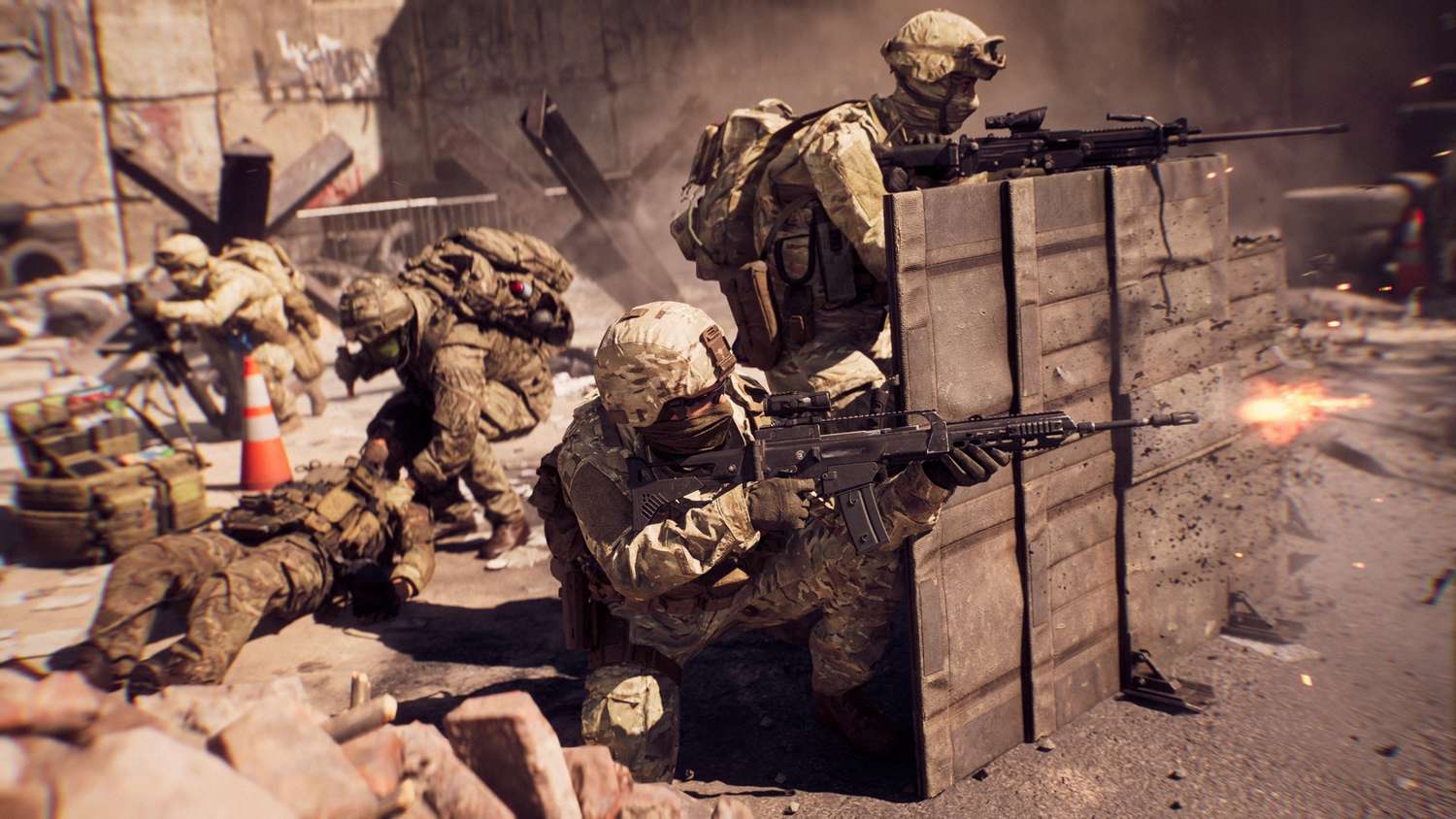
The landscape of AAA military shooters is undergoing a seismic shift, and the venerable Battlefield franchise is leading the charge. Following months of intense speculation and fragmented insider reports, Electronic Arts (EA) and DICE have finally confirmed the existence and core philosophy of a standalone, free-to-play Battle Royale (BR) experience to complement the upcoming premium launch of Battlefield 2042 (referred to as Battlefield 6 during its pre-release cycle). This is a strategic move, directly challenging the dominance of titles like Call of Duty: Warzone and Apex Legends, and it signals a fundamental restructuring of the Battlefield revenue model and player acquisition strategy. For long-time fans and newcomers alike, this F2P offering represents the most significant paradigm shift since the introduction of the Battlefield Portal.
The decision to bifurcate the experience—offering a paid, core All-Out Warfare component alongside a free, accessible BR mode—is a calculated attempt to maximize the franchise’s global footprint. It ensures a low barrier to entry, a crucial factor in securing a massive and sustained player base, especially in regions where free-to-play dominates the market. This deep-dive analysis reviews the confirmed and heavily rumored features of this new mode, examines its potential impact on the franchise’s financial health, and assesses whether it can truly recapture the glory days of the series.
Core Battlefield Pillars Meets Battle Royale: The Technical Review
The developers have stressed that this new Battle Royale mode is not merely a reskin of existing market leaders; it is built on the core pillars of the Battlefield DNA. This includes large-scale maps, tactical destruction, and an emphasis on class-based squad play and vehicle combat. This technical fusion promises an experience fundamentally different from its competition.
 Key Design Innovations:
- Destruction as a Weapon: Unlike other BR games where map architecture remains static, the Battlefield engine allows players to fundamentally alter the battlefield. Need to flush out a sniper? Collapse the building they are hiding in. This level of dynamic environment engagement raises the skill ceiling and adds a crucial layer of strategy. For players investing in a high-end Gaming PC or a powerful Gaming Laptop, the visual and mechanical fidelity of this destruction will be a key selling point.
- The Specialist System Integration: The mode will utilize the non-era-locked Specialist system, ensuring that classic Battlefield gadgets—from grappling hooks to Sentry Guns—are available for unique tactical loadouts. This ensures that every squad member, regardless of their preferred playstyle, has a distinct, irreplaceable role in the fight for survival.
- The ‘Instant Death’ Ring: A particularly novel and controversial feature currently being tested in Battlefield Labs is the “instant-kill” ring. In a stark departure from the typical damage-over-time “safe zone” collapse seen in games like PUBG and Warzone, getting caught outside the playable area results in immediate elimination. This creates a far more urgent, high-stakes pace for the end-game, forcing aggressive rotations and eliminating the common strategy of “healing up” on the storm’s edge. This tactical tweak is a serious indicator that DICE is committed to innovating within the saturated BR genre.
Monetization and The Business Model: A High-CPC Strategy
The transition to a Free-to-Play model necessitates a robust and sustainable monetization strategy. The primary revenue driver will undoubtedly be the seasonal Premium Battle Pass, complemented by an extensive in-game store featuring purely cosmetic items. The developers have provided assurances that the game will remain strictly non-pay-to-win, focusing revenue on Vanity and Utility pillars (as per industry best practices) rather than functional advantages.
Revenue Streams and High-Value Keywords:
EA’s financial models for this Battle Royale mode are heavily optimized for high lifetime value (LTV) through strategic placement of in-game purchases and subscriptions. We anticipate the following strategies:
- Seasonal Battle Passes: A dual-track system (Free and Premium) will offer a clear value proposition. The Premium track will feature exclusive Specialist skins, weapon camos, and unique vehicle customization options. Players can use in-game currency, often purchasable through platforms that heavily advertise, such as promotional bundles tied to Xbox Game Pass subscriptions.
- Cosmetic Microtransactions: The core of the F2P model relies on a constant flow of new, high-quality, high-priced cosmetic bundles. This is the industry standard, evidenced by the financial success of rival BR games.
- Cross-Promotion and High-Value Ad Placement: While direct competitor mentions are rare, the target audience for this game overlaps significantly with users playing other high-engagement titles. This creates opportunities for highly valuable advertising slots and cross-game promotions, often featuring high-CPC keywords related to aspirational gaming titles. This includes promotions adjacent to major titles like World of Warcraft expansions or high-yield military simulation games like World of Tanks.
- XP and Progression Boosters: The Battle Pass system will inevitably include XP and currency boosters, offering a convenient utility purchase for players who wish to progress faster, especially those with limited playtime.
The success of the mode’s long-term financial viability rests entirely on this model. Players, having been burned by previous Battlefield monetization attempts, are demanding a transparent and ethical system that respects both time and money.
 Market Analysis: Will Battlefield’s BR Dominate the Competition?
 Market Analysis: Will Battlefield’s BR Dominate the Competition?
The decision to enter the crowded Battle Royale space is a high-risk, high-reward proposition. The market is fiercely competitive, dominated by established players. This mode needs to offer a genuine, compelling alternative—not just another clone.
Competitive Advantages:
- Scale and Fidelity: The promised 128-player count (in certain modes) and the visual spectacle expected from a next-generation Battlefield title offer a significant edge in scale, particularly on the latest consoles and robust Gaming PC rigs.
- Destruction Sandbox: No other major BR title offers the full scale of environmental destruction that Battlefield can deliver. This is its most potent differentiator.
- Vehicle Focus: The seamless integration of air, land, and sea vehicles into the Battle Royale formula creates logistical and tactical challenges unmatched by primarily infantry-focused competitors.
The ultimate goal for EA is to transition this free-to-play audience into long-term franchise consumers, potentially encouraging them to purchase the main All-Out Warfare title, seasonal content, or a subscription like Xbox Game Pass for additional perks. The F2P mode is, effectively, the world’s most aggressive and expansive demo.
The revelation of this standalone, Free-to-Play Battle Royale mode is more than just a new game option; it is a declaration of intent. It signifies the franchise’s commitment to modern live-service gaming and its determination to compete at the highest level of the global Gaming market. While the complete, official details—including a firm release date—remain forthcoming, the structural innovations, from the instant-kill ring to the fully destructible environments, suggest that Battlefield is bringing a genuinely fresh and high-stakes alternative to the Battle Royale table. Analysts and gamers alike are now watching closely to see if this calculated gambit pays off, securing a new era of dominance for the iconic shooter series.